Cultivating Chinese Virtues, Inheriting Cultural Wisdom: Our School’s Moral Education Curriculum and Confucian, Buddhist, and Taoist Cultural Activities
Chinese culture is profound and broad, with the philosophies of Confucianism, Buddhism, and Taoism serving as the cornerstone for cultivating moral character and life wisdom for thousands of years. Our school has always emphasised students’ character development and humanistic qualities. From Secondary 1 to Secondary 6, we implement a dedicated Moral Education curriculum that guides students in distinguishing right from wrong, discerning good from evil, and establishing sound moral values grounded in the classical doctrines of these three traditions. The junior secondary stage focuses on developing a foundational understanding of the three philosophies and mastering essential Chinese cultural knowledge. The senior secondary stage deepens cultural comprehension, encouraging students to inherit and carry forward exemplary traditional values.
Moral Education classes adhere to a student-centered approach that emphasizes peer interaction and active learning:
Junior Secondary Level: Lessons revolve around daily life topics, incorporating Confucian, Buddhist, and Taoist principles through group discussions, role-playing, and case studies. These interactive activities guide students to recognize how traditional philosophies apply to everyday scenarios while encouraging self-reflection. In doing so, students cultivate core virtues such as perseverance, benevolence, integrity, and responsibility—manifesting the finest aspects of Chinese culture in their daily lives.
Senior Secondary Level: Lessons emphasise autonomous learning. Students independently research and present key ideas of the three philosophies to their peers. They critically explore the universality and applicability of ancient values in modern society, learning to draw wisdom from the past to navigate present-day challenges.
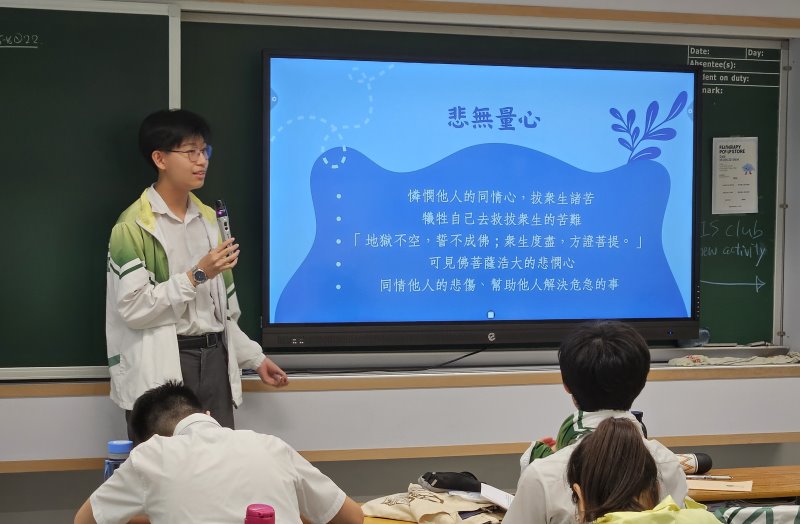
Beyond classroom learning, the Moral Education curriculum extends these three philosophies to extracurricular activities. For instance, senior secondary students introduce these teachings to junior students during morning hall assemblies. The school hosts reading sharing sessions and lectures to foster a positive, benevolent campus atmosphere.
Furthermore, recognising that the ‘Wong Tai Sin Beliefs and Customs’ is a highly distinctive national-level Intangible Cultural Heritage in Hong Kong, our department has arranged visits to the Wong Tai Sin Temple for Secondary 1 students. Through guided tours, students gain a deep insight into the origins of Wong Tai Sin beliefs, the architectural aesthetics, and the unique integration of the ‘Three Teachings into One’.
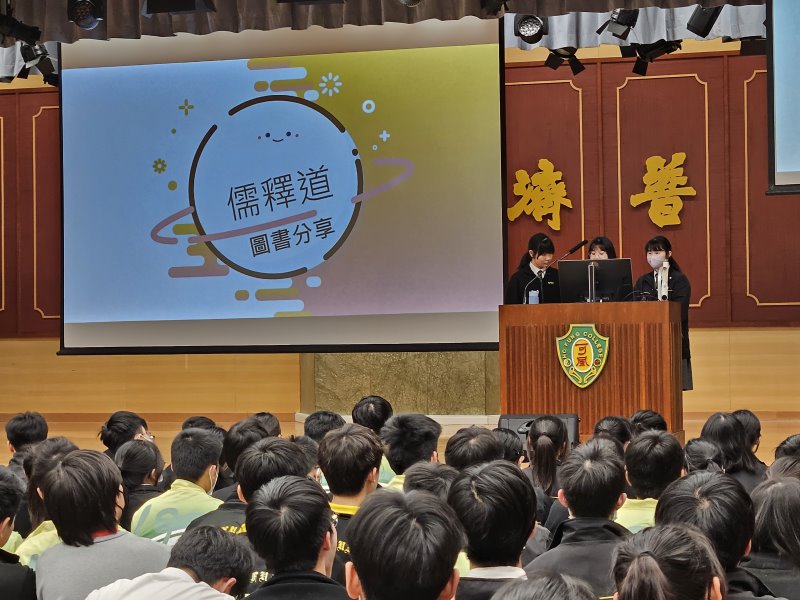
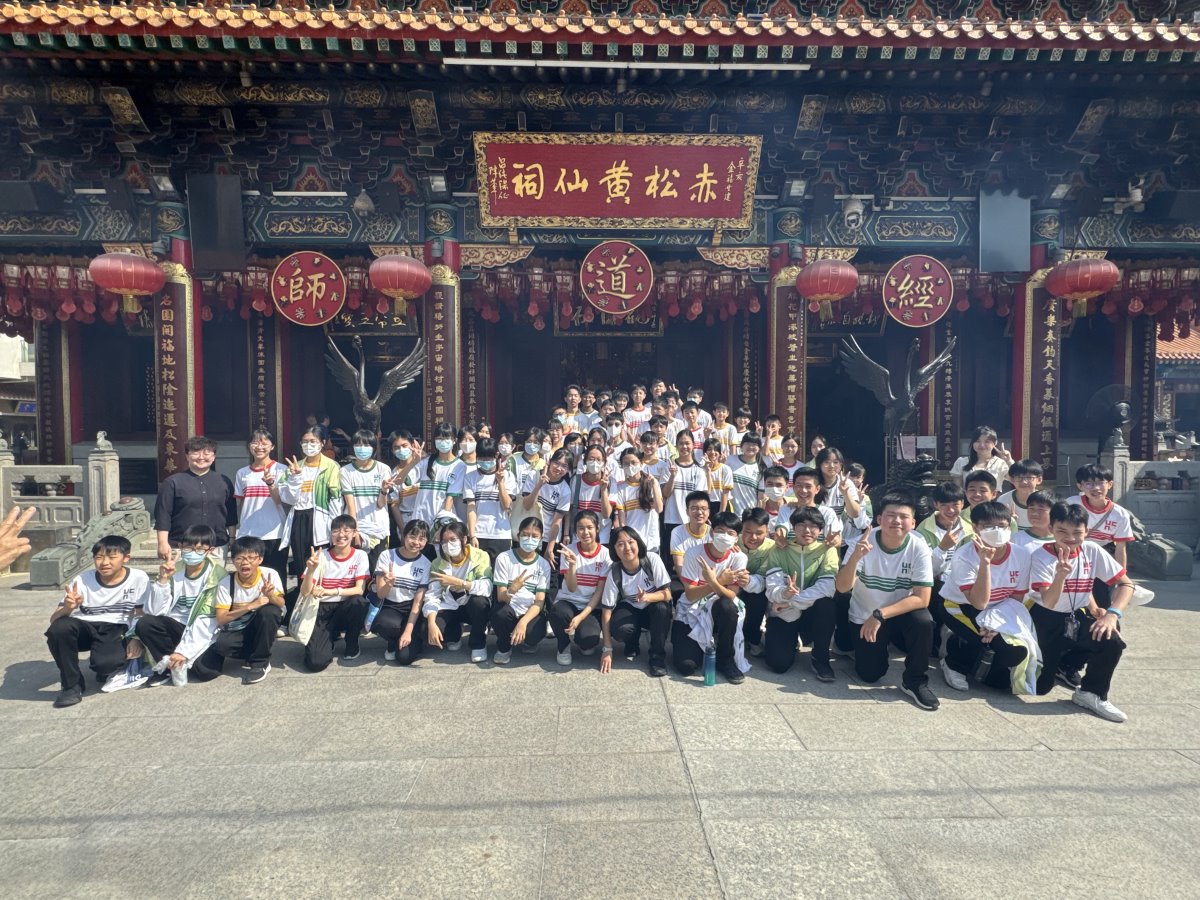
Our school’s sponsoring body, Sik Sik Yuen, actively promotes Confucian, Buddhist, and Taoist culture by providing diverse learning opportunities for students. In addition to attending lectures and participating in temple visits, selected students are trained as student docents at Wong Tai Sin Temple. Utilising Cantonese, English, and Putonghua, student docents have led guided tours for overseas exchange students and visiting professors from the University of Chicago. These meaningful engagements enable students to put their learning into practice, share traditional Chinese culture with an international audience, and build self-confidence.
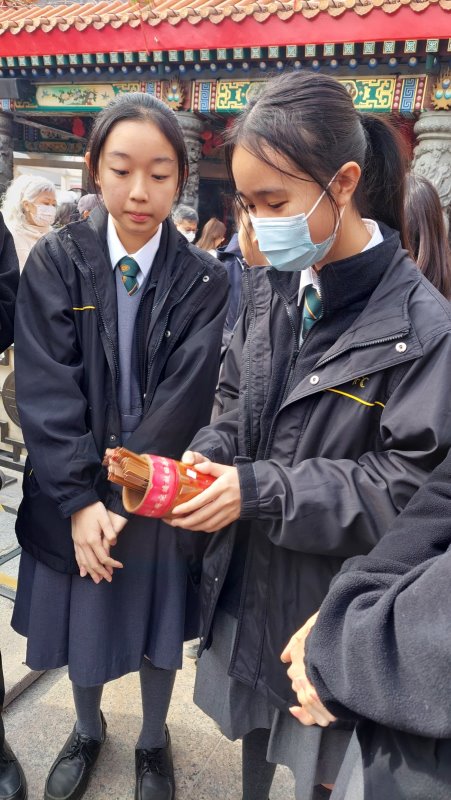
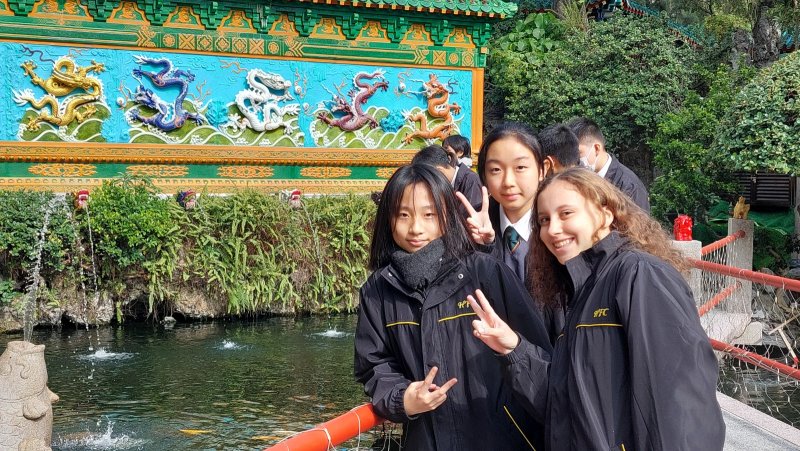
Moral Education at our school works hand-in-hand with diverse activities. They not only enrich students’ cultural literacy, but also shape positive moral character, allowing students to thrive under the nourishment of traditional wisdom. By unifying knowledge with action, our students grow into responsible, righteous young people prepared to contribute meaningfully to society.